
Core Nutrients for Men's Vitality and Wellness
Understanding the building blocks of nutrition is the first step toward a healthier life. This guide focuses on the specific nutrients that support men's wellness, moving beyond general advice to look at how specific vitamins, minerals, and phytonutrients function within the body. We believe that nutritional awareness is the most effective tool for maintaining long-term vitality.
Micro-Nutrient Foundations
Specific compounds identified for their contribution to cellular maintenance.
The Power of Lycopene
Lycopene is a carotenoid with significant benefits for men. It is most bioavailable when tomatoes are cooked, making it an easy addition to many traditional dishes in Indonesia, such as slow-cooked sambals or stews. Regular consumption of lycopene-rich foods is a primary recommendation for those looking to support their cellular health. Unlike other nutrients that degrade with heat, lycopene’s structure is released from plant cell walls during cooking, allowing for better absorption.
Source: Cooked TomatoesZinc and Mineral Balance
Zinc plays a critical role in numerous enzymatic reactions and immune function. It is found in abundance in pumpkin seeds, lentils, and certain seafood commonly found across the Indonesian archipelago. Ensuring adequate zinc intake is essential for hormonal health and metabolic stability. We focus on providing lists of local sources to help you meet your daily requirements through whole foods rather than synthetic alternatives, ensuring a more balanced mineral profile.
Source: Seeds & LegumesSelenium Defense
Selenium is a trace mineral that works alongside Vitamin E to protect cells from damage. While Brazil nuts are the most potent source, this mineral is also present in whole grains and legumes common in the local diet. Balanced selenium levels are a key component of a proactive wellness strategy. It supports the body's natural antioxidant systems, helping to maintain internal balance against environmental stressors often found in dense urban environments.
Source: Whole GrainsVitamin D and Sunlight
Despite Indonesia being a sunny tropical country, many urban professionals in Jakarta lack sufficient Vitamin D due to predominantly indoor lifestyles. This vitamin is crucial for bone health and immune regulation. We discuss the balance between safe sun exposure—optimizing for early morning hours—and dietary sources like fortified foods and fatty fish like mackerel or tuna, which are staples in many regional cuisines.
Omega-3 Fatty Acids
Essential fatty acids are necessary for cardiovascular and cognitive health. While many modern diets are high in Omega-6 fats from processed oils, balancing this with Omega-3s from walnuts, chia seeds, and local fish is vital. These fats help manage systemic inflammation and support heart health, acting as a natural lubricant for the body's vascular and metabolic systems.

Nutritional Fact:
Omega-3/6 balance is more critical for long-term wellness than total fa intake alone.
Cruciferous Vegetable Benefits
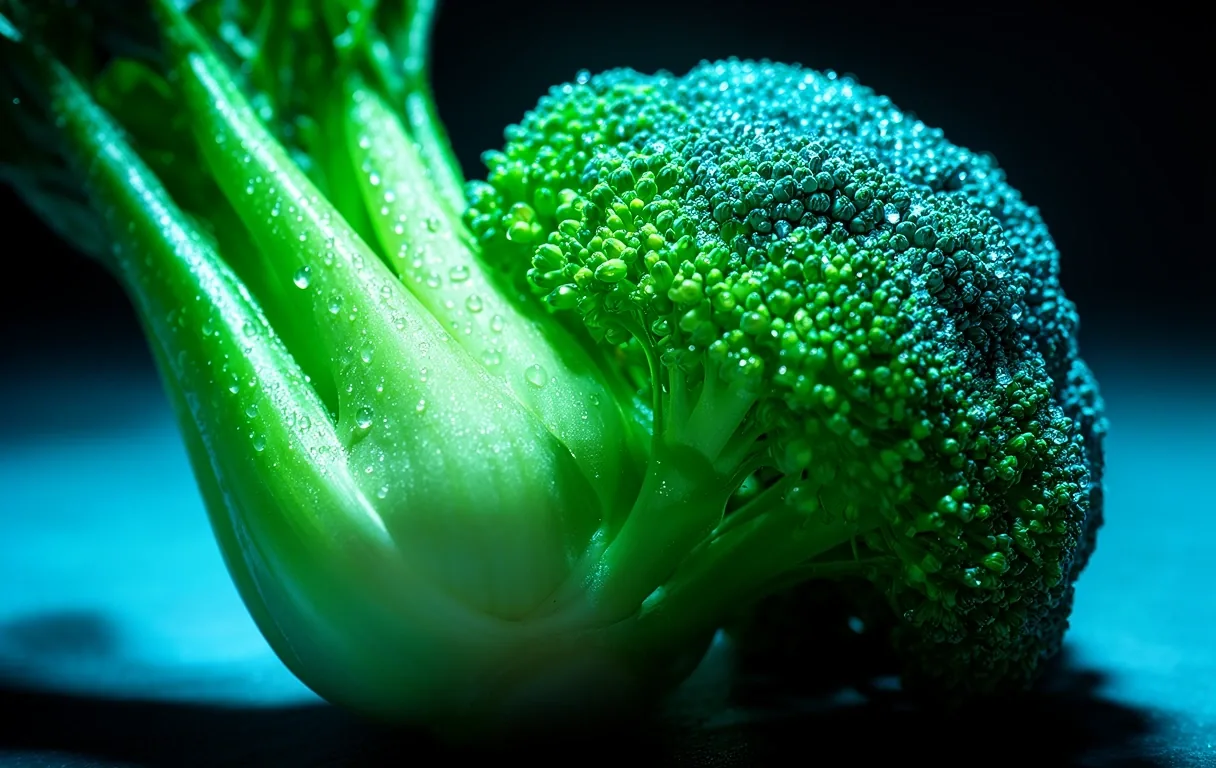
Broccoli, cauliflower, and bok choy contain glucosinolates, which the body breaks down into biologically active compounds. These vegetables support the body's natural detoxification processes, particularly in how it processes metabolic waste. We recommend at least three servings per week to maximize their protective benefits. In Indonesia, lightly steaming these greens or adding them to a quick stir-fry preserves their heat-sensitive compounds.
Magnesium for Balance
Magnesium is involved in over 300 biochemical reactions, including muscle and nerve function. It is often depleted by modern lifestyle stressors and high caffeine intake—common among Jakarta's fast-paced workforce. Dark leafy greens and almonds are excellent sources that can help improve sleep quality and physical relaxation. Proper magnesium levels act as a baseline for metabolic stability and cardiovascular rhythm.
Benefit
Nerve Function
Benefit
Sleep Quality
Phytoestrogens and Plant Sterols
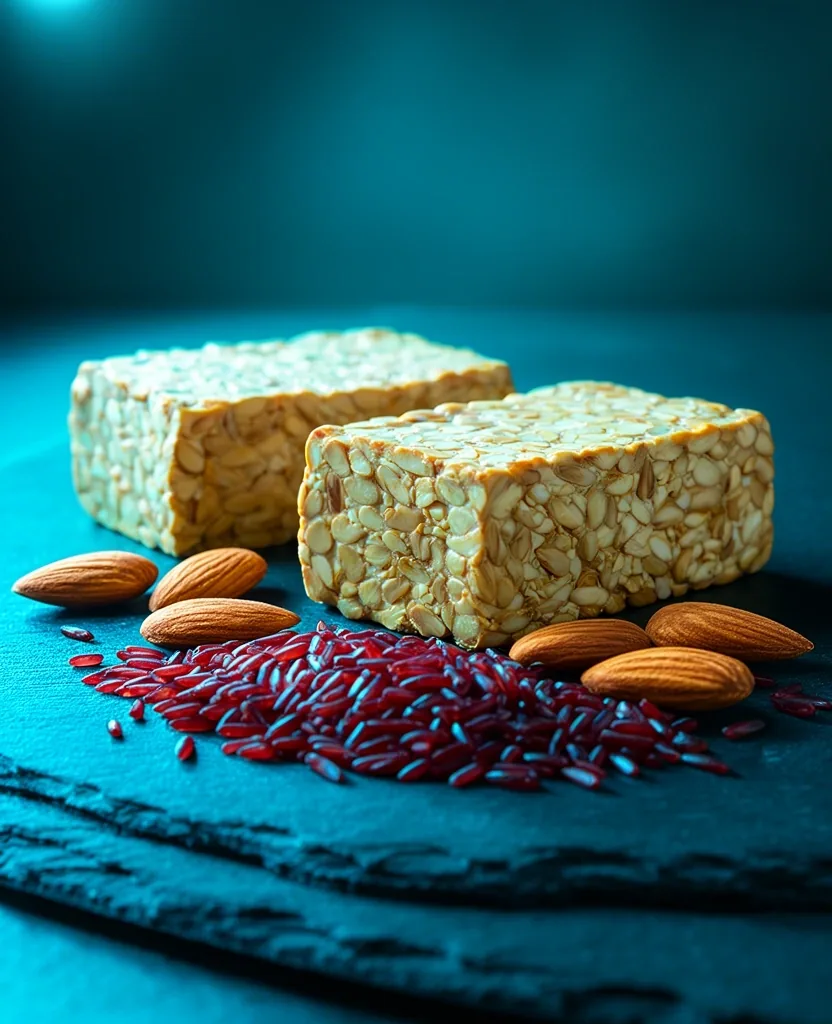
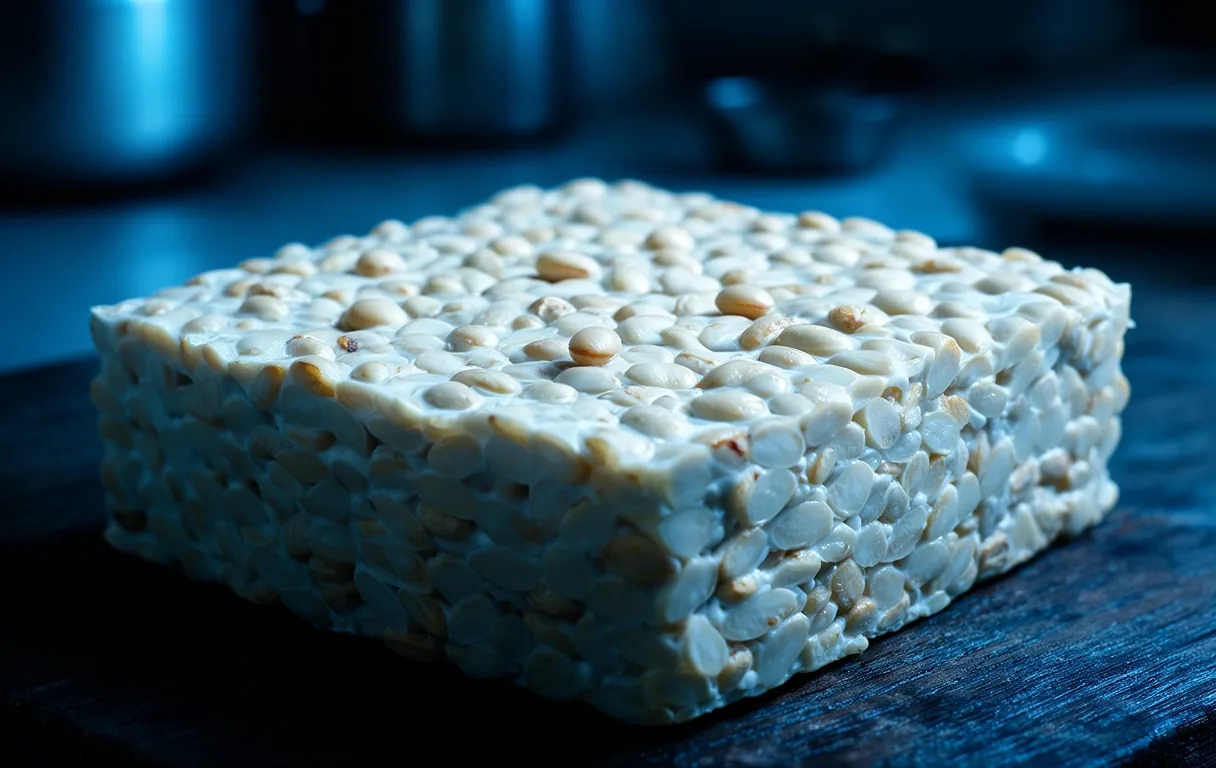
Found in soy products like tempeh and tofu—staples of the Indonesian diet—these compounds help regulate cholesterol levels and support endocrine balance. Including traditional soy-based foods is a culturally relevant and nutritionally sound way to support long-term wellness. Tempeh, in particular, being a fermented food, provides additional benefits for gut health which directly correlates with efficient nutrient absorption.
The Tempeh Advantage
-
Fermentation Process
Enhances bioavailability of soy isoflavones and provides probiotics for digestive balance.
-
Cholesterol Support
Plant sterols compete with dietary cholesterol absorption, supporting vascular integrity.
-
Local Accessibility
A sustainable, high-protein plant-based nutrition source available across Indonesia.
Our Commitment to Nutritional Accuracy
The information provided on Prostate Care Nutrition is for educational purposes only. Our content is designed to promote wellness and vitality through informed dietary choices. We prioritize whole-food sources and evidence-based nutritional science, focusing on how everyday ingredients contribute to long-term vitality.
• Content is reviewed for alignment with current nutritional research.
• We do not provide diagnostic advice or treatment recommendations.
• For personalized guidance, we recommend consulting a certified nutritionist or health specialist.
Take Control of Your Nutritional Journey
Download our comprehensive guide to specific nutrients and local Indonesian food sources to start optimizing your daily wellness routine today.
Location
Jl. MH Thamrin No. 12, Menteng, Jakarta Pusat, DKI Jakarta 10310
Inquiries
+62 21 3196 8971 // [email protected]
Schedule
Mon-Fri: 09:00-17:00 (WIB)